3D websites with scroll animation
A one-page site where your product stands in 3D and moves with the scroll: it turns, comes closer, and the place around it changes its light.
Examples
Eight sites we made for brands we invented, to show what the format can do. Each has a page here, with a button that opens the site itself.
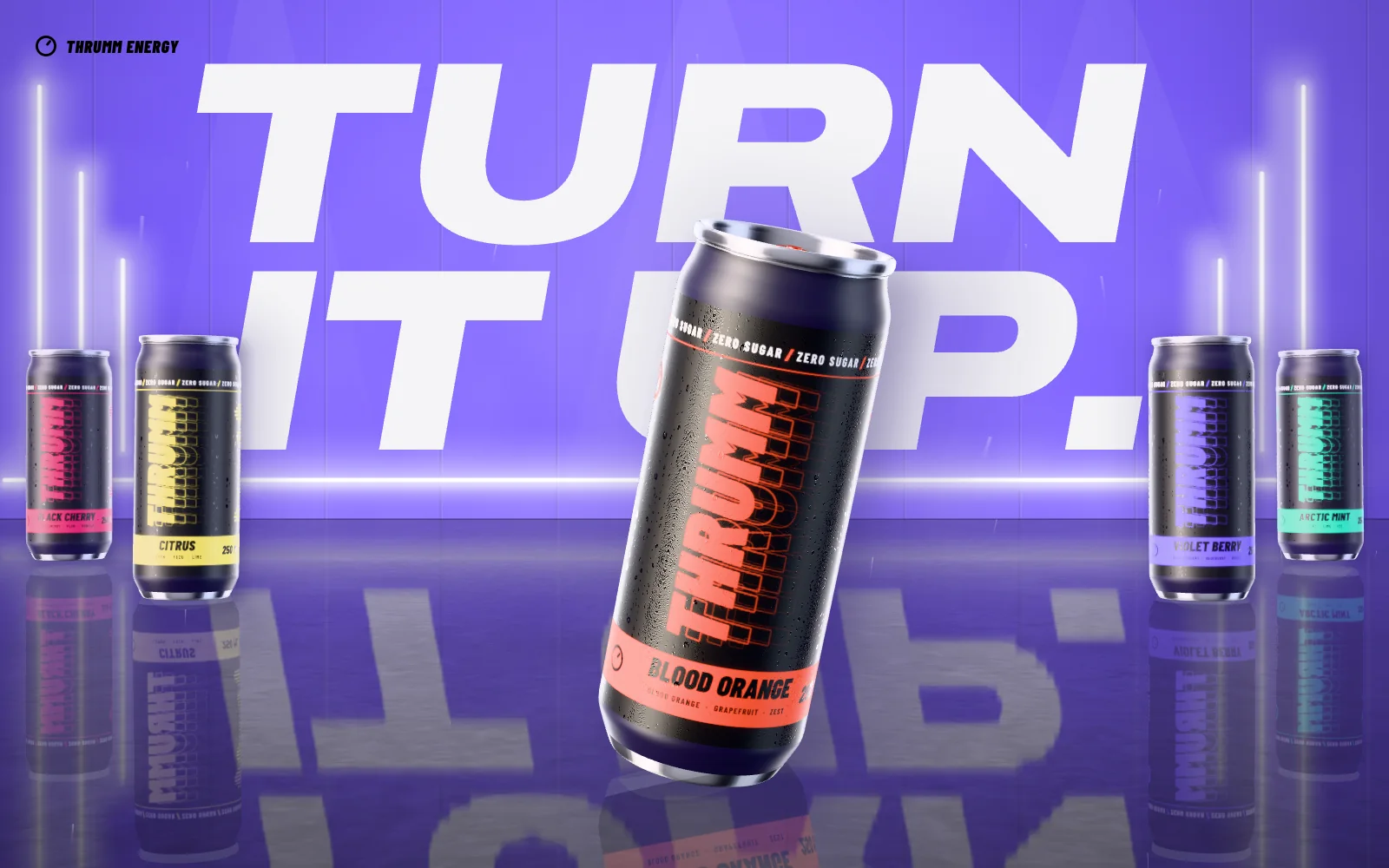
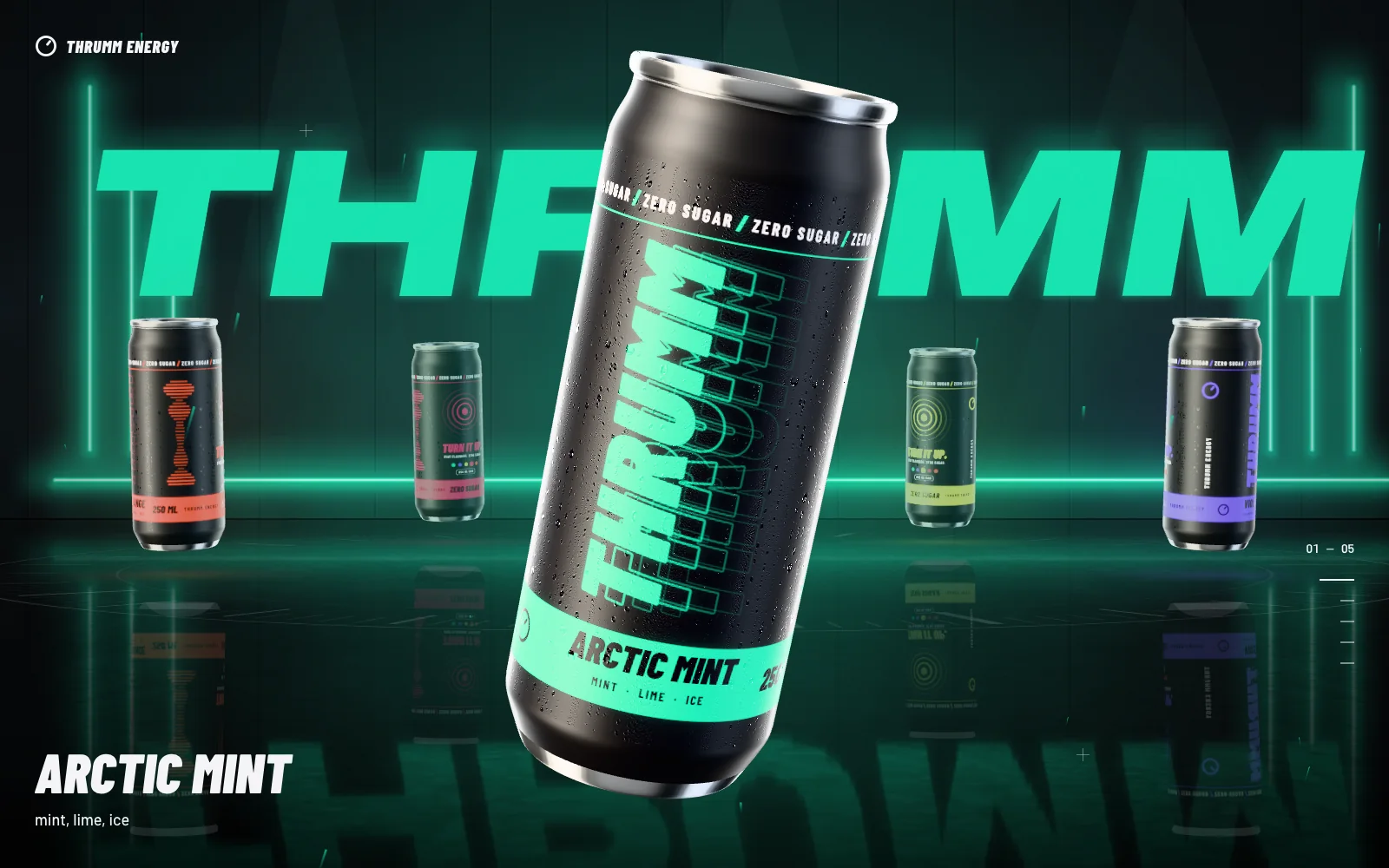
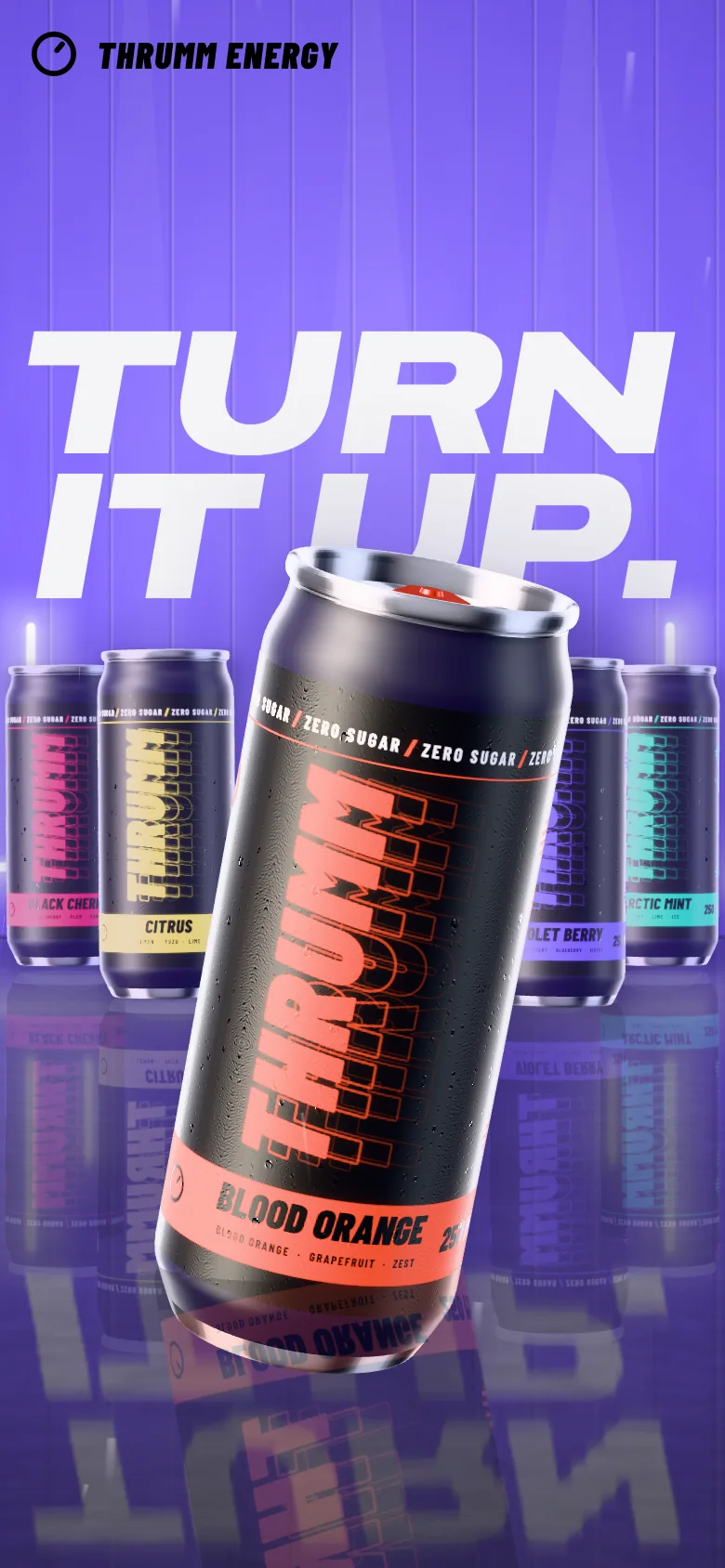
Thrumm Energy
A drum of five cans turns in a neon hall, and each flavour relights it.
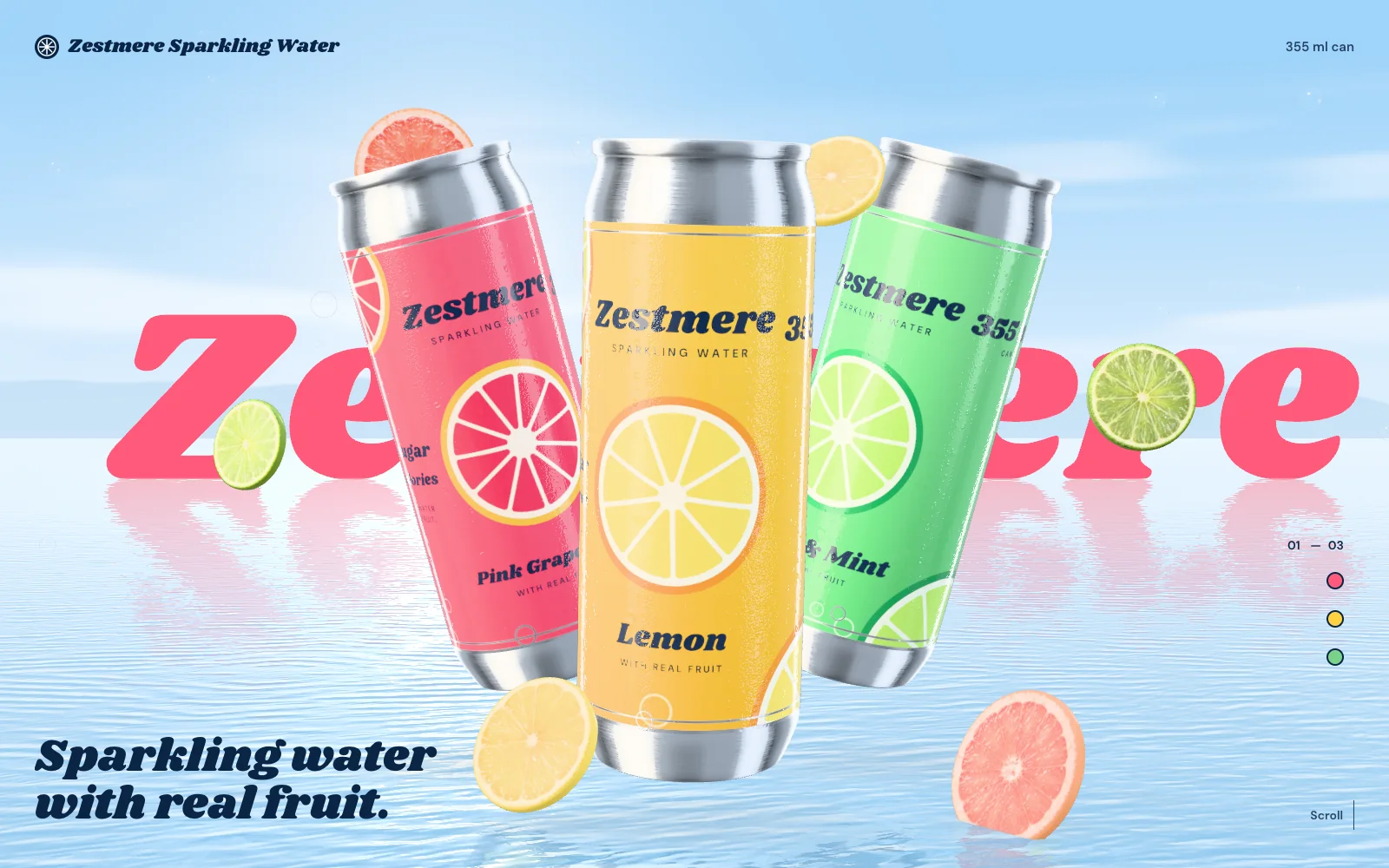
Zestmere Sparkling Water
Cans dive into a lake and come up again with a splash.
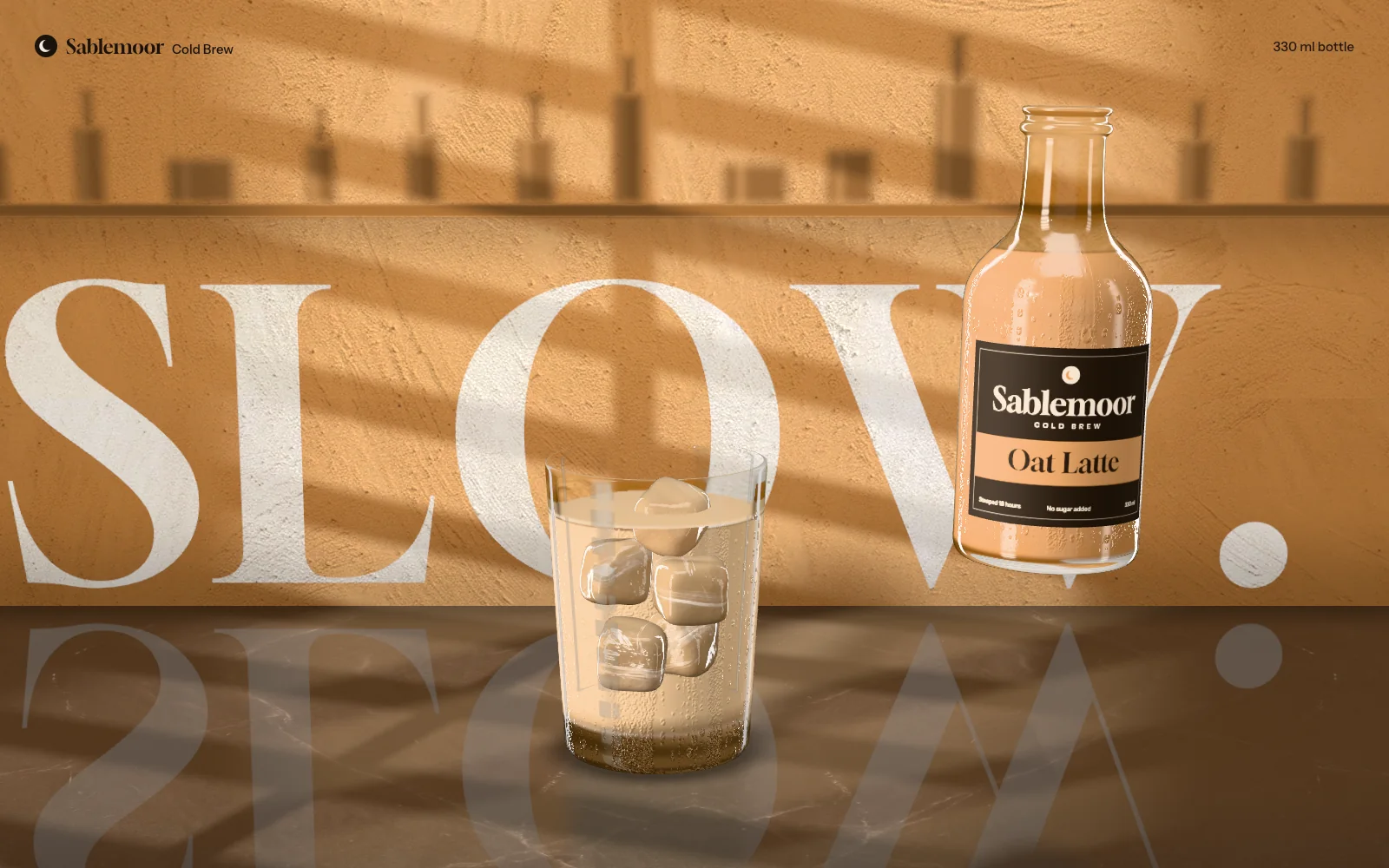
Sablemoor Cold Brew
Ice falls into a glass, and cold brew pours as you scroll.
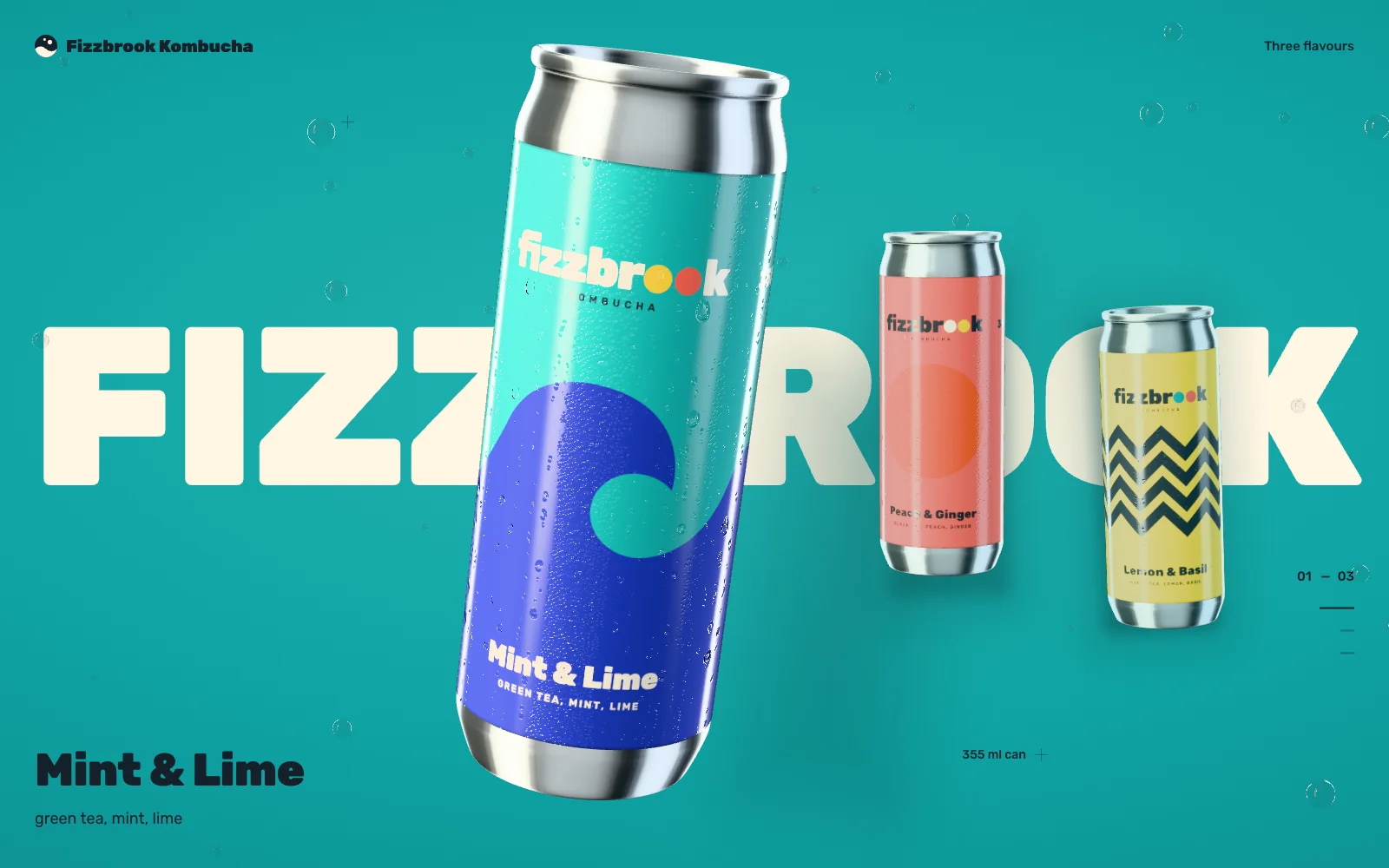
Fizzbrook Kombucha
Three cans come forward in turn, and each floods the screen with its colour.
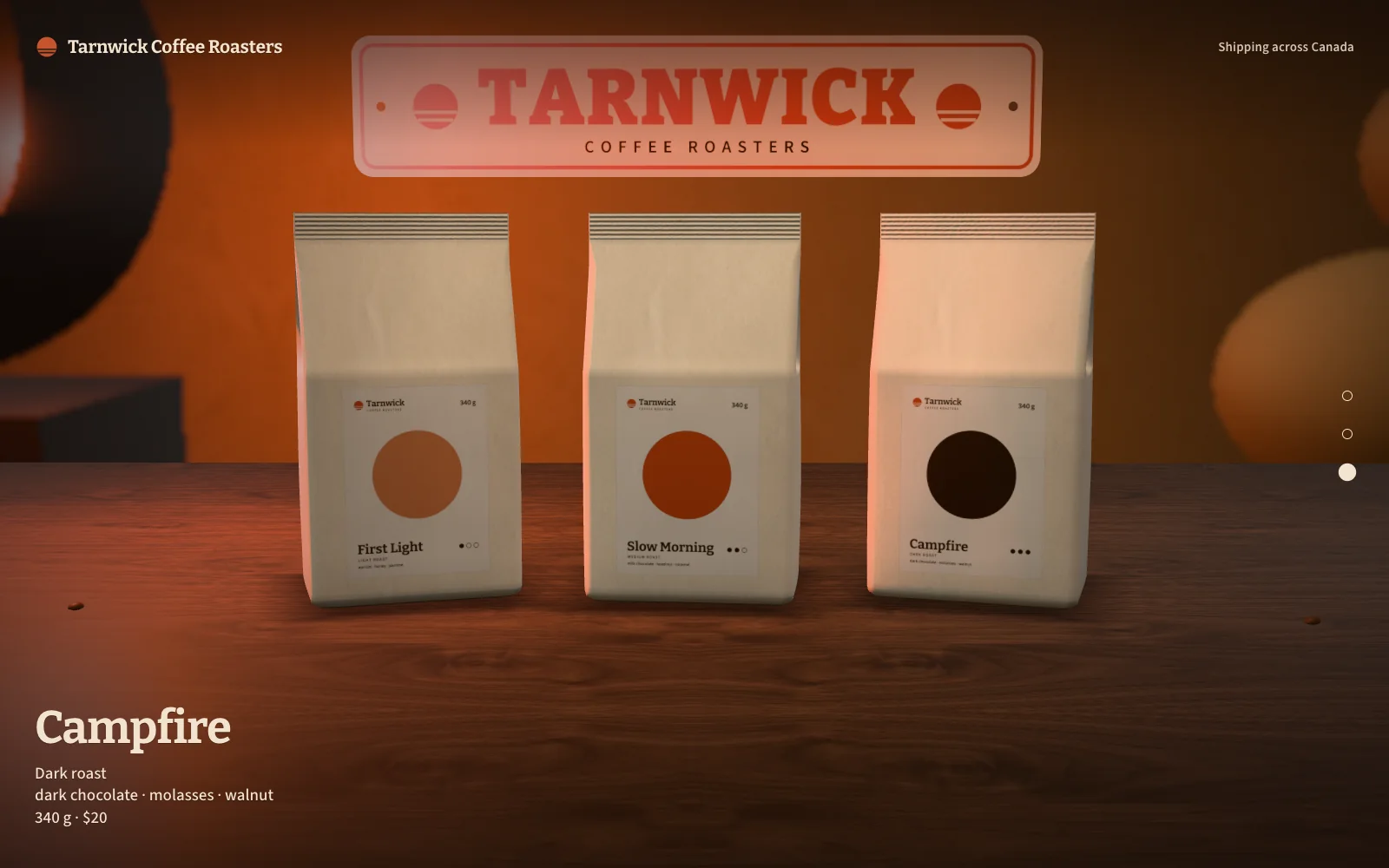
Tarnwick Coffee Roasters
The camera follows the beans from the bag through the grinder to the cup.
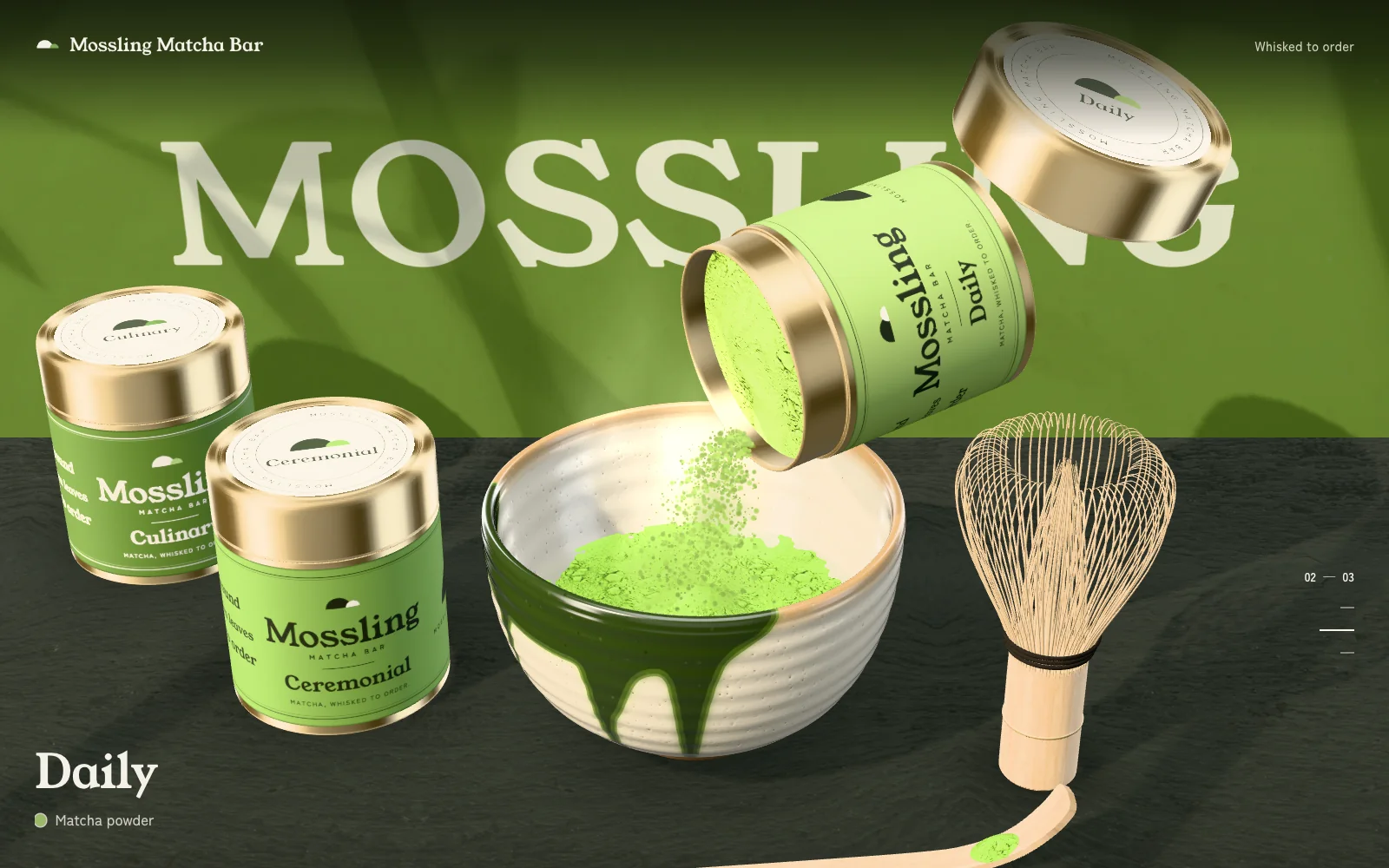
Mossling Matcha Bar
A tin tips over the bowl, the whisk comes down, and foam rises.
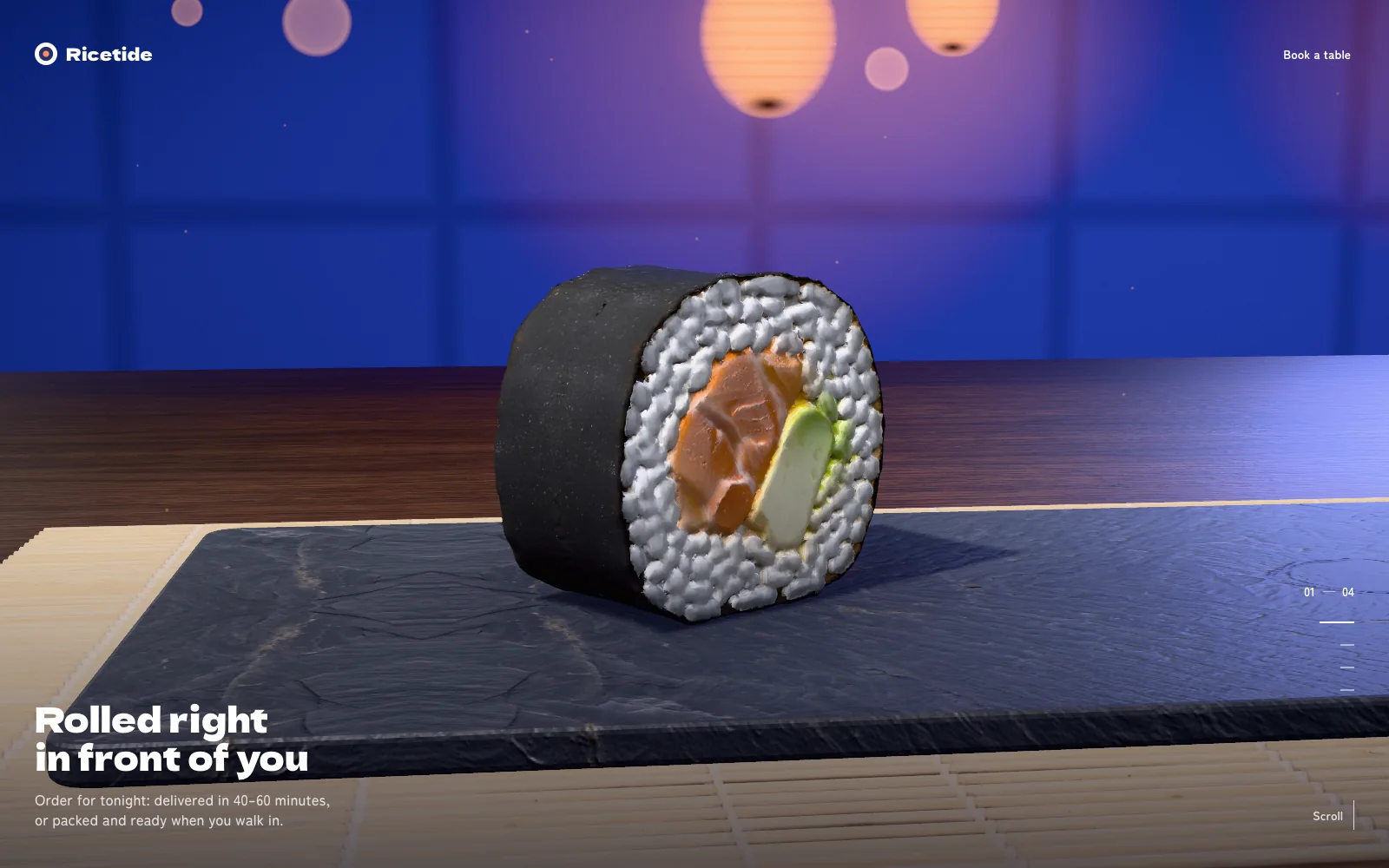
Ricetide
One roll on a slate board, and what is inside it.
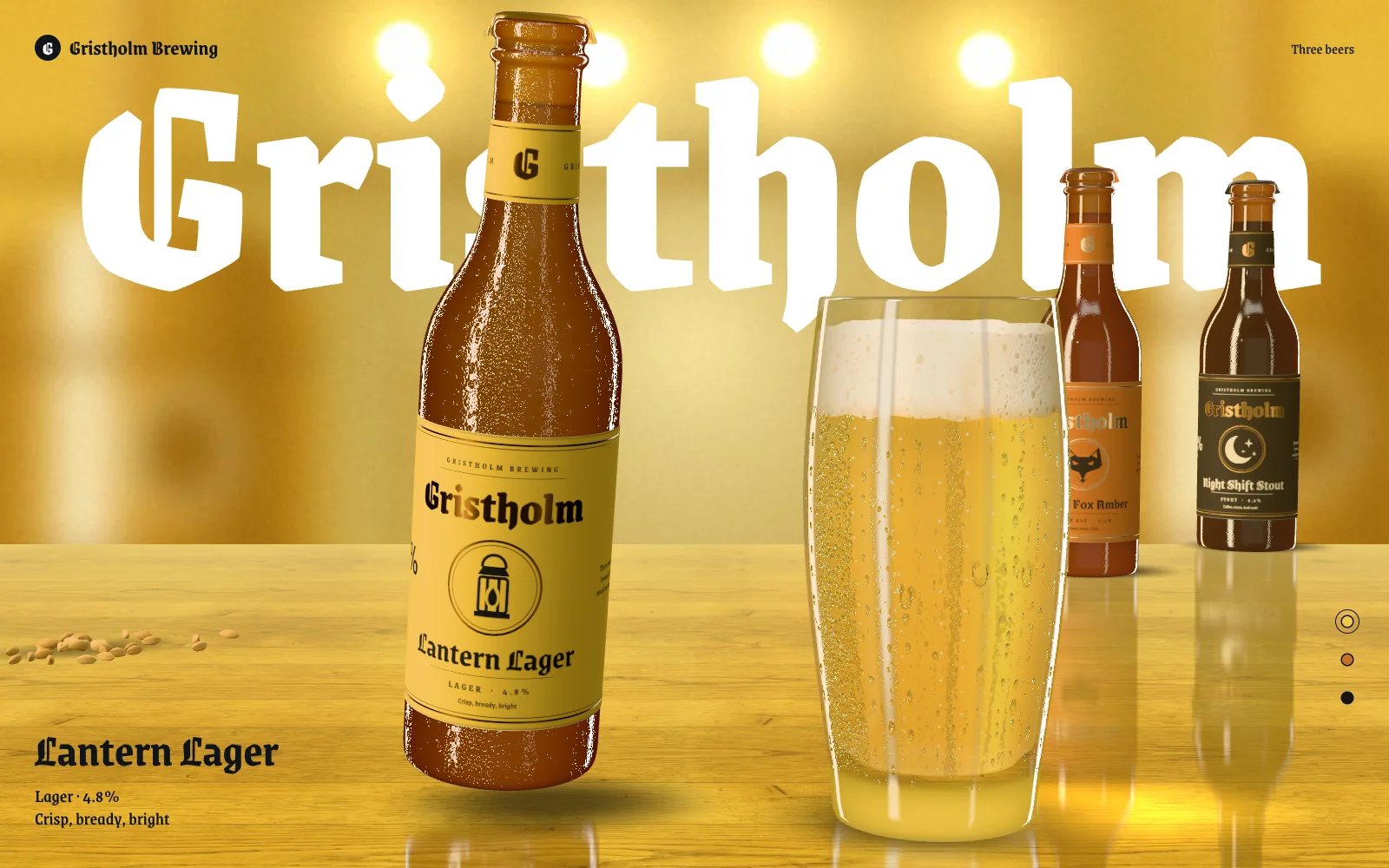
Gristholm Brewing
A glass fills, the head rises, and the taproom changes its light.
Who it’s for
A good fit if
You sell one product or a short line — a drink, a cosmetic, a gadget — and want people to see it from every side.
You are launching a brand or a new product and need a page people remember and pass on.
You send people to one page from ads, reels or the packaging: it has to hold them and lead to one action.
Your product is chosen by its looks, and the page has to look as good as the thing itself.
Not a fit if
You need a store with hundreds of products. A 3D page shows a few things in depth; a catalogue with filters is a different job.
Online storesYour site is mostly information: services, prices, booking, many pages. A regular site says it faster and weighs less.
New websiteYou need the site right away. A scene is made by hand — the object, its materials, the light, the motion — and takes longer than a regular page.
What’s included
Your product in 3D
Cans, bottles, boxes and devices we build in code, to their real proportions. Food and other things of a living shape we make as a 3D model from a photograph.
Photo-realistic textures
Wood, stone, metal, ice, foam: every material gets a photo-realistic texture, not a pattern drawn in code. That is what keeps an object from looking like plastic.
Light and place
The product stands somewhere — a bar counter, a hall, a lake — with a floor, light and depth, not on a flat colour. The place can change its light for every flavour or model.
Motion on scroll
The scroll drives the scene: the product turns, comes forward, pours, opens. Things move with weight, the way real ones do, and the scene runs back the same way when you scroll up.
Adjusts to the device
The page watches how smoothly it runs. When a device is struggling, it lowers the sharpness of the picture by itself and brings it back when there is room. Smooth comes before sharp.
A view without animation
For people who have turned animation off in their system settings, the same page opens as ordinary sections with a still picture of each act. The words and the links are there without scripts, too.
The rest of the page
After the scene: the product up close with callouts, one big line, a final screen with one action, and a footer. Typefaces are picked for your brand.
Related
Price and terms
Priced per project
It depends on what is in the scene: how many objects, whether we build them in code or model them from photographs, how many acts the scroll runs through. Tell us about your product — we’ll count it and name the price.
Get a quotePrices of regular websites- Reply
We answer an enquiry within one business day.
- Ownership
Once it is paid for, the site and the domain are yours.
Questions
Real 3D. The objects are drawn right in the browser, so the scene follows the scroll exactly, forwards and back, and a flavour or a colour can change without a new shoot. A film that plays frame by frame as you scroll is a different technique: the scenes of this site’s home page are made that way.
The page is laid out for a phone separately: the product takes most of the screen, and the captions stay inside its edges. A 3D scene asks more of a device than a regular page does, so the page watches how smoothly it runs and lowers the sharpness of the picture when a phone is struggling. On an old phone the picture will be softer. The words, the links and the button are ordinary page text, not part of the picture.
It is heavier than a regular page: besides the text it loads the objects, their textures and the light. We keep the weight in hand: 3D models are made lighter before they go on the page and, before it shows, the page draws every state of the scene once, so the first scroll does not stutter. It will not open as fast as a page of plain text, and we don’t promise that it will.
Longer than a regular one-page site, and the time depends on the object. A can or a bottle we build in code; food, fabric and anything of an uneven shape needs a model made from a photograph, and each model is a step of its own. We name the time together with the price, once we have seen your product.
Yes, in one of two ways. If your site’s platform lets us put our own code on a page, the scene goes right onto it — as the first screen, or on a product page. If not, the scene becomes a page of its own on your domain, and the site links to it. We look at the site first and say which way fits, before any work begins.
The product itself, in as much detail as you can show: photographs from several sides, its real size, and the files of the label or the packaging if you have them. Then the brand — logo, colours, typefaces — or a word that there is none yet. And what the page is for: the one action a visitor should take. If the product has a living shape, like food, we’ll ask for one more photograph, taken to our notes: the 3D model is made from it.
Let’s talk
Prefer a messenger?
- Emailhello@limeduo.com
- WhatsApp+1 587 664 4142
- Telegram@LimeDuoDigital
- Instagram@limeduodigital
Calgary